

How Do I Clean A Fiber Glass Tub That Has Its Service Damaged?
There's a joke nearly baths and towels, and it goes like this: if taking a bathroom or shower makes your body clean, then why is your towel e'er dirty? And while there's probably a scientific explanation, your bathroom-time habits are a blight on your bathtub and shower caddy.
Fortunately, cleaning the tub doesn't have to be difficult or dramatic. You merely need the right tools or cleaning products – and a lot of them are good for the environment. And so earlier you sink your toes into a grimy tub, let's look at some top tips for cleaning a fiberglass shower.
one. Confirm it'due south fiberglass

Bathtubs and showers are typically white and shiny, only they're not all made of the same material. Information technology could be ceramic tile, stone slab, porcelain, acrylic, fiberglass, or enamel. The last iv look a lot alike, but you can tell them autonomously with careful observation … and a fridge magnet.
Acrylic is stretched out plastic, sometimes reinforced with fiberglass, and then obviously fiberglass looks 'glassy; while acrylic looks more 'plasticky'. Natural rock – even when polished – doesn't shine as much as fiberglass, while porcelain is heavier and chunkier because information technology has a cast iron base.
And although porcelain tubs and showers exercise accept metallic beneath, they're thoroughly coated, so they don't answer to magnets. On the other hand, fridge magnets hands stick to your enamel walls, then that'south a expert 'tell'. Whichever cloth you shower is made of, avoid harsh chemicals.
ii. Identify the stain
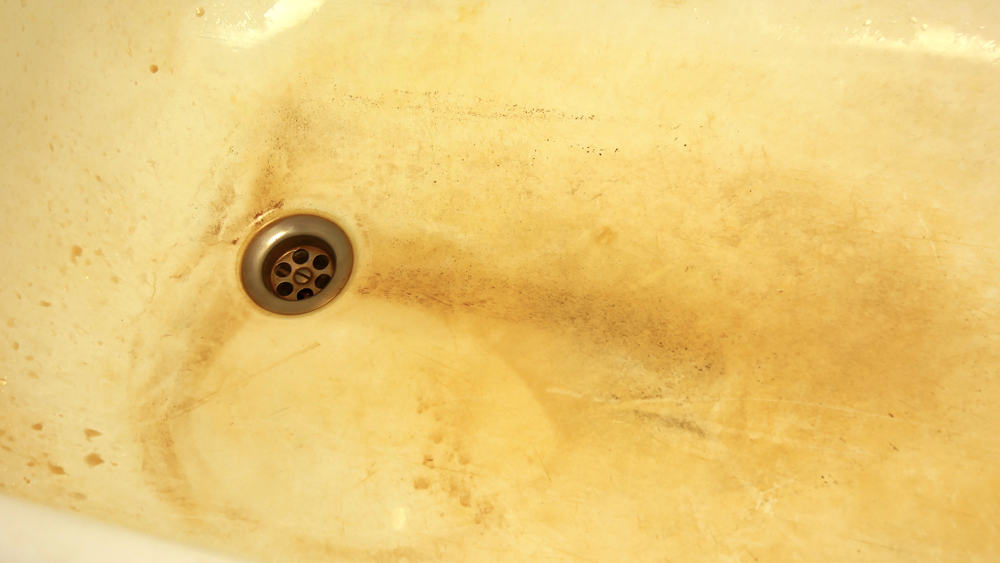
Unlike the other common shower and tub materials, fiberglass has a drinking glass base – hence its name. Fiberglass is melted sand, treated in extreme heat, then mixed with resin. Like all showers, information technology can accumulate mold, limescale, rust, and stains from acidic beauty products.
Soap scum is another bathroom hazard. It forms in little puddles and spills and can exist quite stubborn when it accumulates because lather has a greasy-oil base of operations. Typical soap is made by treating fats and oils with high-pressure steam, then purifying, distilling, and adding alkali to it.
Other items that can stain your fiberglass showers include make-up, pilus products, spilled medicine, bathroom bombs, laundry detergents, toilet spray, and kids. The latter are their own special category because they could invade the bathroom with annihilation from crayons to cookie crumbs.
3. Wipe it while information technology's hot

Many shower stains are fabricated from the grimy residual of sebum, cleaning products, and organic dust. That's why it's easier to clean when the bathroom is steamy. The heat and water vapor soften fatty dirt, so a lot of it wipes right off. Merely not everyone scrubs their walls after a shower.
An alternative method is to run the shower at its hottest for two to five minutes. This steams the shower beautifully, meaning you need less elbow grease. Y'all can also choose to heat your cleaning fluid in the microwave for a minute or ii. But be conscientious if it's a frothy cleaner!
4. Avoid abrasive pads
When yous run into those icky stains and brown marks, your instinct is to attack your shower walls with steel wool, rough brushes, and harsh scrubbers. I YouTuber even suggests scraping off your soap scum with a razor blade. Hither'south why nosotros think that'southward a bad thought – information technology'due south fiberglass.
Recollect about it. Fiberglass is commonly used in cars (and swimming pools, and bulletproof vests). Would y'all want a razor bract anywhere near your car? The idea itself is nightmare-inducing. And then continue sharp, rough, abrasive items and scouring pads far from the shower.
5. Stay away from bleach
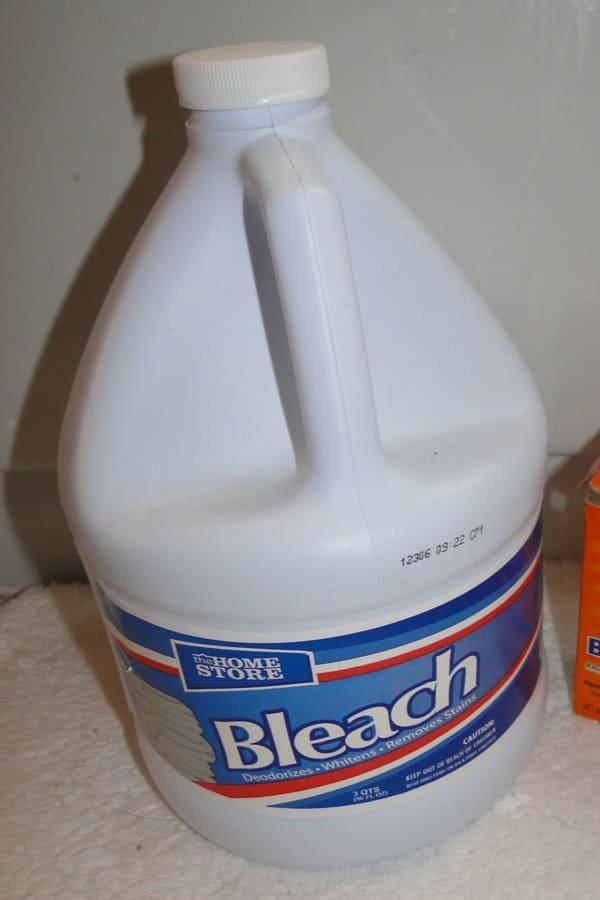
You lot already know bleach can irritate your skin and lungs, particularly in high concentration. At best, you'll experience itchy and your eyes volition redden. At worst, you'll pass out. But bleach tin also ruin the resin in fiberglass, so you don't want to be scrubbing information technology onto tubs or your shower walls.
Ammonia is safe on fiberglass though, so information technology'south a feasible option. Information technology'due south especially skilful at getting rid of watermarks. Exist conscientious though – inhaling excess ammonia tin exist just as bad as animate in bleach, and so dilute the ammonia in lots of water, and make certain the room is well ventilated.
6. NEVER combine commercial products
Many domicile cleaning products are a mix of this and that. You combine things like essential oils, fermented fruit rinds, and corn starch. But yous should never mix store-bought cleaning fluids because their ingredients oftentimes react badly. Results can exist toxic or even explosive!
When you're making a habitation cleaning remedy, it'due south probably a mild acid and a mild alkali. Their chemic response to each other forms a fizzy foam that is slightly annoying but safe. These mixtures should be used immediately after mixing earlier the fizzing fades away.
7. Use plain vinegar
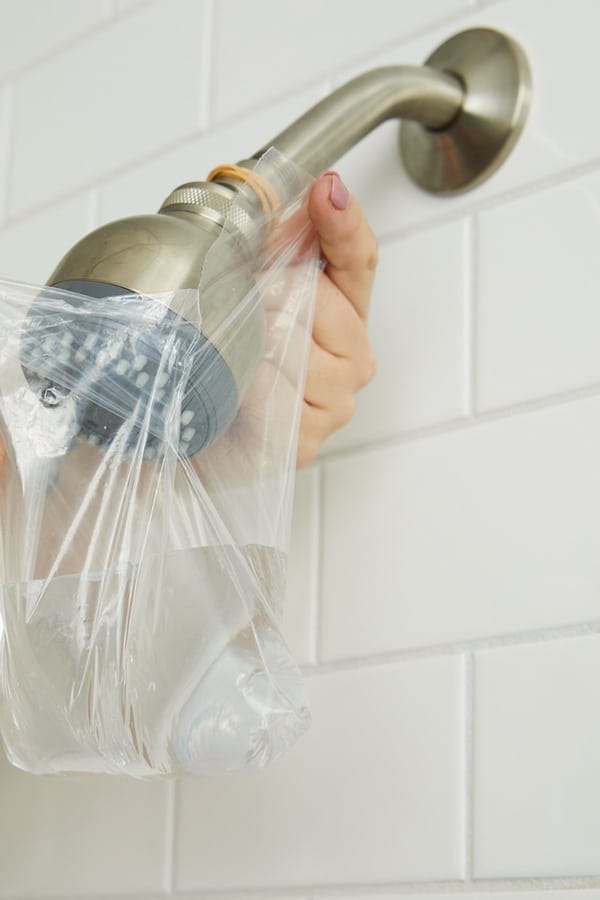
Mild acids are keen for soaking up the oil-based dirt found in most showers. White vinegar is a pop choice. Mix some with warm water in a spray bottle, then sprinkle it over your steamy shower walls. Let it sit down for ten minutes to half an hour, depending on how muddied your shower is.
You can then run the shower again, to moisten the mess, then wipe off all the gunk. Vinegar works especially well for a rain shower head or even a regular shower head. Fill up a plastic pocketbook with vinegar, then tie it to the showerhead with a shoelace or safety band. Go out it overnight.
8. Mix your vinegar (or blistering soda) with dishwashing liquid
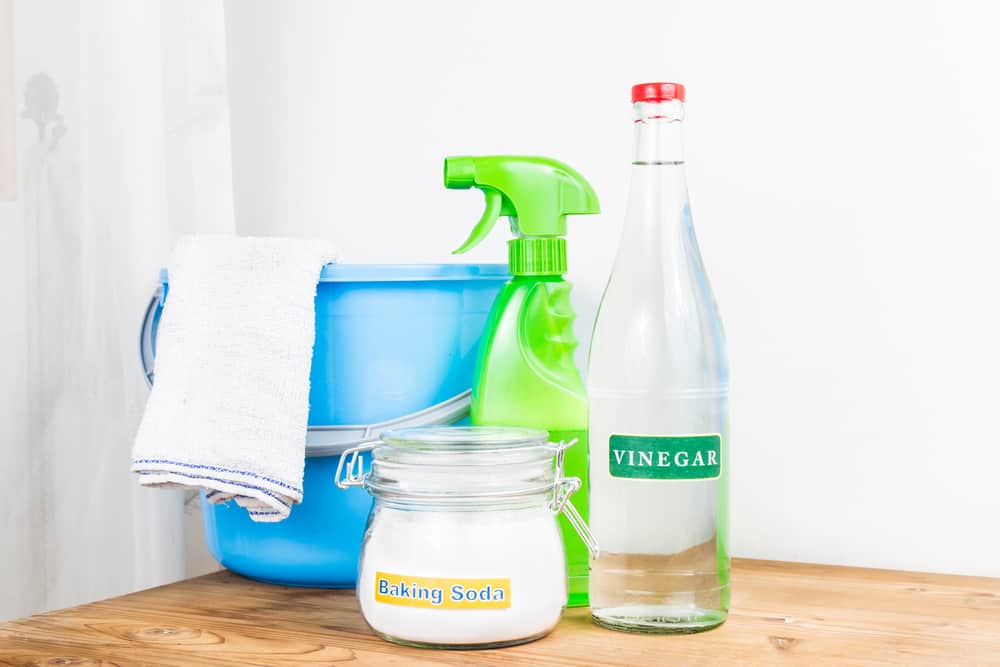
When evidently vinegar doesn't exercise the trick, add a few drops of any mild dishwashing liquid, such equally Dawn or Morning Fresh. You can replace white vinegar with whatever mild household acid, such as apple cider vinegar or hydrogen peroxide. The dishwashing lather adds to the cream in your soap.
Foam is good considering its bubbles loosen stains and elevator grimy dirt particles to the surface, where you tin can easily wipe them off. If you've unexpectedly run out of household acrid, effort spraying warm water mixed with a few drops of dishwashing liquid. The longer it sits, the meliorate it cleans.
An culling combination – when you don't have vinegar handy – is to mix your dishwashing liquid with a teaspoon or two of baking soda. It makes the mixture a little more than annoying, so you can rub off grimy stains without scratching your fiberglass surfaces. Rub using circular motions.
9. Mix your vinegar with baking soda
You don't desire to scrub your fiberglass walls or scrape the shower door, because it can exit scratches. And so instead, try making an abrasive paste by mixing vinegar and baking soda. The thicker your paste is, the more effective it will be. But it's not practical to mix large batches.
For this reason, make about a quarter loving cup or half a loving cup of paste, apply it directly on the stain, and let it sit as long as needed. This could be anything from thirty minutes to overnight. Rub information technology in if you need to. Once it's set, rinse it with make clean water, or wipe it off with a damp textile.
1o. Use a truck degreaser
Equally we pointed out, fiberglass showers are made from the same fabric as many modernistic cars, and bathroom stains have an oily undertone. And then it makes sense a product that gets grease off trucks would be effective on a fiberglass bathroom. This led a YouTuber to attempt Mighty Boss.
It seems to work instantly, soaking up grimy scum and letting it wipe off with very little effort. Your bathroom walls volition be spotless in minutes, though yous can let information technology sit longer if the stains are particularly stubborn. For best results, use a spray bottle directly on steamed up shower walls.
eleven. Warm and cold rinse
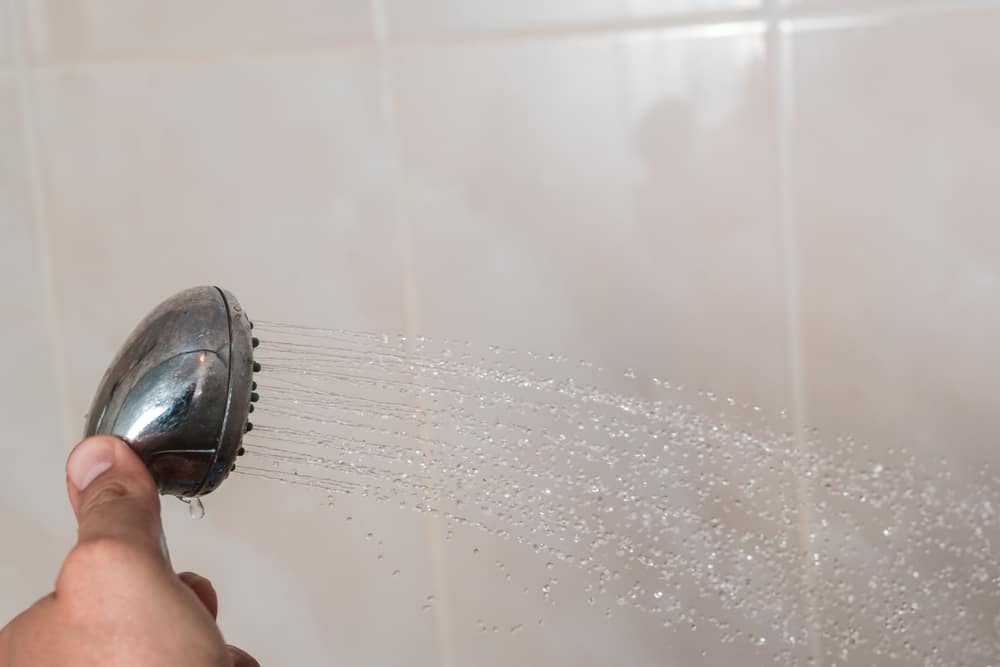
One time your called cleaning textile has accomplished the desired effect, run the shower again, to build upwards clean steam. You can then douse the walls using a handheld showerhead, a garden hose, or a spray bottle filled with clean h2o. A warm rinse will loosen any oily rest.
Follow with a common cold rinse to wash off all the soap. Then, to prevent watermarks, wipe the walls with a clean, soft, lint-free rag. Microfiber works best. Finally, run your bathroom fan, or open the window, so that any moist air is expelled, preventing the accumulation of clammy and mold.
Spotless fiberglass showers
Fiberglass is a popular cloth for showers and tubs considering it's cheaper. It's as shiny as porcelain and marble, more than long-lasting than acrylic or enamel, extremely lightweight, and comes in stylish versatile molds. Here are some cleaning tips:
- Avoid harsh chemicals, especially bleach.
- Annoying pads and scourers should be avoided too.
- Use mild, household acids like vinegar and hydrogen peroxide.
- For abrasive effects, mix your mild acid with baking soda and dishwashing soap.
- Get out your cleaning paste overnight, and then wipe it off and rinse with cold h2o.
How sparkly is your fiberglass shower? Show us some photos in the comments!

How Do I Clean A Fiber Glass Tub That Has Its Service Damaged?,
Source: https://www.sunrisespecialty.com/how-to-clean-fiberglass-shower
Posted by: culpculoak.blogspot.com
0 Response to "How Do I Clean A Fiber Glass Tub That Has Its Service Damaged?"
Post a Comment